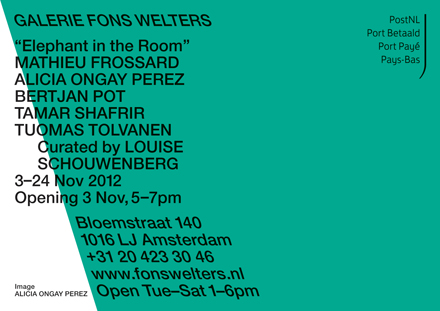
"The Elephant in the Room" is an upcoming exhibition at Galerie Fons Welters in Amsterdam, featuring the work of Alicia Ongay-Perez, Mathieu Frossard, Tuomas Tolvanen, and Bertjan Pot.
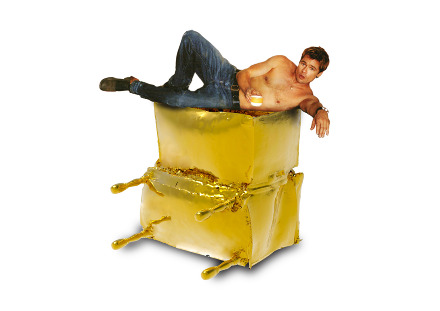
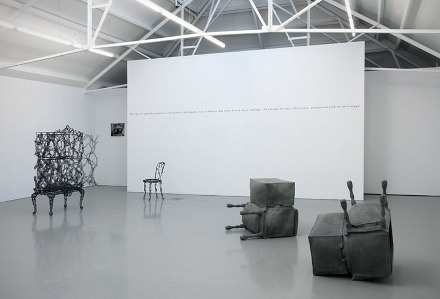
Contextualising Inside-Out II, Alicia Ongay-Perez
I added a line of text to the wall to confront both the objects and their surrounding audience:
"The idea of neutrality must be challenged even in objects that seem devoid of an ideology. Has Design become a Narcissus, enraptured with its own image?"
Originally published in Domus 963 and DomusWeb
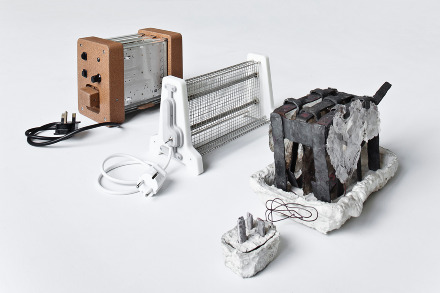
Photo by Antonio Ottomanelli
In the past few years, the conversation around design has been overwhelmingly conquered by one theme—the generative process. Standardised form, or even pure form itself, seems almost tactless in comparison to a new kind of object, unique within a consciously imperfect series. For the user, these curious mutations represent a special type of commodity, receptive to the infusion of value and memory. Process, it would seem, is a kind of elixir, curing design fatigue and consumerist shame without sacrificing a whit of aesthetic consciousness.
Still, there is something uncannily marketable about this phenomenon. In theory, the notion of process suggests a broad range of transformations, transactions, and assemblies in the course of an object’s life. In practice, however, the situation is otherwise. Process-based design tends to delineate a precise timeframe, one that begins when prepared materials are obtained and ends the moment the object emerges from its mould. During this span, the designer is often the sole agent of change; the studio, like a hermetic laboratory, is often the sole context for manufacture. When these defiantly non-homogeneous objects leave the workshop for the “real world”, they are primed for direct consumption, “inherent value” already included.
In fact, for all the discussion of process-based design, there is often little thought given to the process of acquiring an object—extracting the materials, connecting the parts, putting it into use, and finally disposing of it when it is no longer needed. Certainly, these events may lack the cinematic quality of a scripted making process in which the object is incarnated, like magic, without the direct handling of the designer: the work of practices like Studio Glithero make it clear that the film of the process itself is just as much a design product as a clay pot—and perhaps even more. In contrast, the scenes in a broader definition of process are rather mundane: selecting a product in a shop, tinkering with its parts, patching up the cracks, putting the defunct bits in the right bins, and so on.
For all the apparent banality of these actions, there are a growing number of designers that embrace them as full-fledged stages in how things take shape. These individuals construct their design intervention as merely one of many inputs into a material, functional outcome, alongside the user, the market, the political economy, the environment, and the social network. Given this position, it is unsurprising that many of them focus on household appliances. More than chairs or teapots, these electric agents operate on a much larger scale, conditioned by the peculiarities of globalised production.
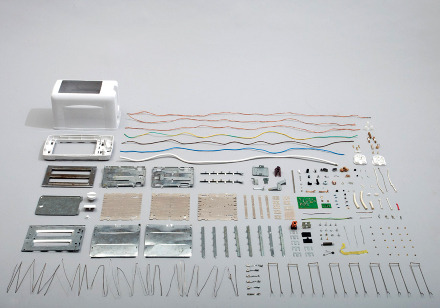
The Toaster Project, Thomas Thwaites, photo by Daniel Alexander
In the seminal Toaster Project, in which he reverse-engineered the ubiquitous kitchen device and reconstructed it literally from the ground up, London designer Thomas Thwaites discovered, for example, that 30% of the world’s total nickel production (more than 1 million tons per year) can be traced to a single mine in Norilsk, Siberia. Yet the heating element in every toaster is made of nickel. If Thwaites was a pioneer in the field, using design as an investigative tool, then recent graduates Jesse Howard (Gerrit Rietveld Academy, 2012) and Gaspard Tiné-Berès (Royal College of Art, 2012) may represent the next phase, in which design becomes a participatory and reparative force.
Jesse Howard, best known for the OpenStructures Waterboiler he designed with Thomas Lommée, is the creator of Transparent Tools, a project that redefines the way one might shop for a vacuum cleaner or coffee grinder. These tools do not arrive in a cardboard box, batteries included; each one exists only as a simple assembly drawing on a single sheet of paper. These manuals apply the ethos of DIY to a linked, ad-hoc culture of production: Howard references the various parts with eBay search phrases, hardware store terminology, and URLs to download models for 3D printing.
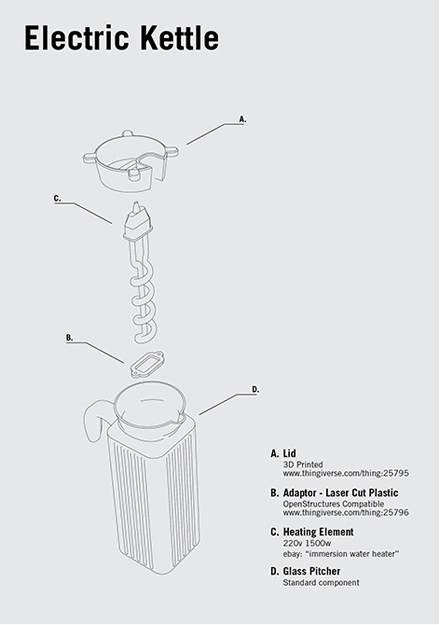
Transparent Tools, Jesse Howard
The design instructions almost assume that adaptations will be made; in the kettle, for example, the recuperated glass pitcher may be replaced by a ceramic jug, a metal thermos, or any other heat-resistant vessel that fits the 3D-printed lid, which could itself be modified to work with another container. Some working prototypes of Transparent Tools have been made, of course, but these seem to imply only what might be; with the growth of this system and the contributions of many authors, it has the potential to be much more.
Where Howard looks to assembly as the impetus for design, Gaspard Tiné-Berès mobilises a process of disassembly to generate the appliances in his Short-Circuit series. The project grew out of his collaboration with Bright Sparks, a project initiated by London’s Islington Council to comply with EU legislature on the disposal of electronic waste. At Bright Sparks, volunteers repair broken or simply discarded electric devices and resell them at a fraction of the retail price (although they probably cannot compete with the economies of scale of massive corporations like Argos, the producer of Thomas Thwaites’s original £3.99 toaster). While some products may be salvaged, others are too piecemeal to mend.
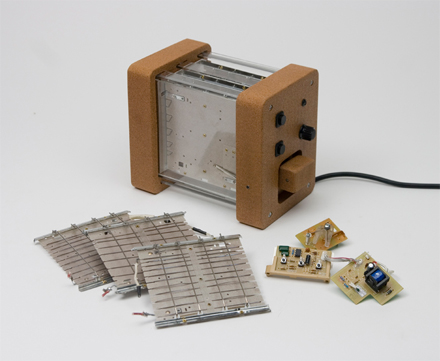
Short-Circuit, Gaspard Tiné-Berès
Short-Circuit provides new housing for these orphaned elements, using standardised glassware such as wine bottles and laboratory vessels within a framework of natural cork that can be CNC-milled at a local FabLab. The toaster, water boiler, and coffee-maker designed by Tiné-Berès are just a few examples of these repurposed electrical assemblies, which extend the financial viability of social enterprises like Bright Sparks.
If Transparent Tools and Short-Circuit are unusual design products, it is not because they are trying to appear unique. On the contrary, these designs rely on a high degree of homogeneity and mutual accord between components. If no two toasters are identical, it is because they have been made with the most appropriate resources at hand, not because they are celebrating the enigmatic outcomes of theatrical design processes.
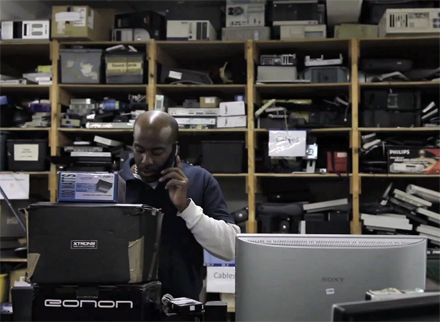
See the interview on Vimeo
O'Neil Howell, the manager of Bright Sparks, offers perhaps the most acute rejoinder to the contemporary obsession with unique forms:
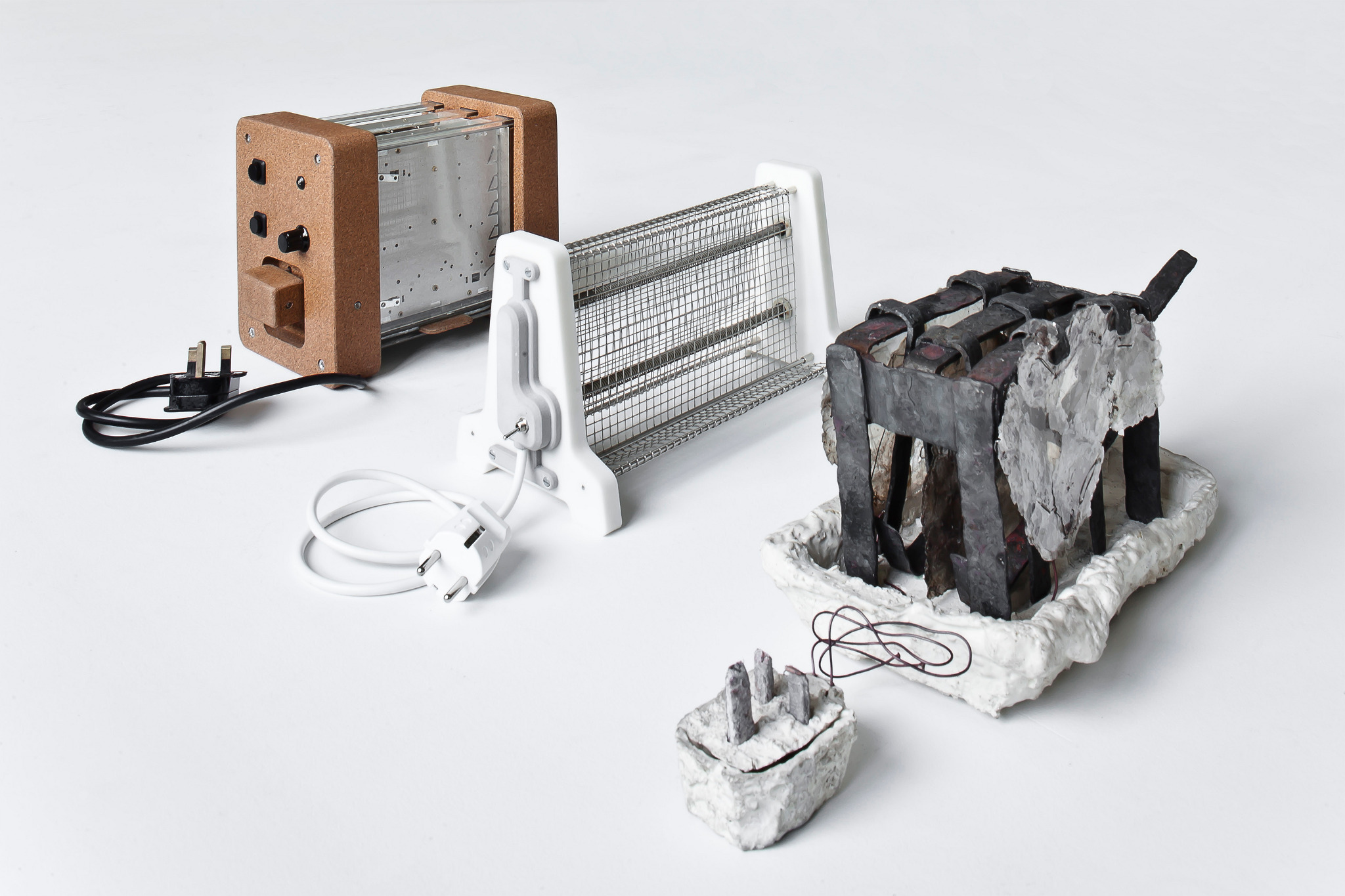
Photo by Antonio Ottomanelli
In the past few years, the conversation around design has been overwhelmingly conquered by one theme—the generative process. Standardised form, or even pure form itself, seems almost tactless in comparison to a new kind of object, unique within a consciously imperfect series. For the user, these curious mutations represent a special type of commodity, receptive to the infusion of value and memory. Process, it would seem, is a kind of elixir, curing design fatigue and consumerist shame without sacrificing a whit of aesthetic consciousness.
Still, there is something uncannily marketable about this phenomenon. In theory, the notion of process suggests a broad range of transformations, transactions, and assemblies in the course of an object’s life. In practice, however, the situation is otherwise. Process-based design tends to delineate a precise timeframe, one that begins when prepared materials are obtained and ends the moment the object emerges from its mould. During this span, the designer is often the sole agent of change; the studio, like a hermetic laboratory, is often the sole context for manufacture. When these defiantly non-homogeneous objects leave the workshop for the “real world”, they are primed for direct consumption, “inherent value” already included.
In fact, for all the discussion of process-based design, there is often little thought given to the process of acquiring an object—extracting the materials, connecting the parts, putting it into use, and finally disposing of it when it is no longer needed. Certainly, these events may lack the cinematic quality of a scripted making process in which the object is incarnated, like magic, without the direct handling of the designer: the work of practices like Studio Glithero make it clear that the film of the process itself is just as much a design product as a clay pot—and perhaps even more. In contrast, the scenes in a broader definition of process are rather mundane: selecting a product in a shop, tinkering with its parts, patching up the cracks, putting the defunct bits in the right bins, and so on.
For all the apparent banality of these actions, there are a growing number of designers that embrace them as full-fledged stages in how things take shape. These individuals construct their design intervention as merely one of many inputs into a material, functional outcome, alongside the user, the market, the political economy, the environment, and the social network. Given this position, it is unsurprising that many of them focus on household appliances. More than chairs or teapots, these electric agents operate on a much larger scale, conditioned by the peculiarities of globalised production.
The Toaster Project, Thomas Thwaites, photo by Daniel Alexander
In the seminal Toaster Project, in which he reverse-engineered the ubiquitous kitchen device and reconstructed it literally from the ground up, London designer Thomas Thwaites discovered, for example, that 30% of the world’s total nickel production (more than 1 million tons per year) can be traced to a single mine in Norilsk, Siberia. Yet the heating element in every toaster is made of nickel. If Thwaites was a pioneer in the field, using design as an investigative tool, then recent graduates Jesse Howard (Gerrit Rietveld Academy, 2012) and Gaspard Tiné-Berès (Royal College of Art, 2012) may represent the next phase, in which design becomes a participatory and reparative force.
Jesse Howard, best known for the OpenStructures Waterboiler he designed with Thomas Lommée, is the creator of Transparent Tools, a project that redefines the way one might shop for a vacuum cleaner or coffee grinder. These tools do not arrive in a cardboard box, batteries included; each one exists only as a simple assembly drawing on a single sheet of paper. These manuals apply the ethos of DIY to a linked, ad-hoc culture of production: Howard references the various parts with eBay search phrases, hardware store terminology, and URLs to download models for 3D printing.
Transparent Tools, Jesse Howard
The design instructions almost assume that adaptations will be made; in the kettle, for example, the recuperated glass pitcher may be replaced by a ceramic jug, a metal thermos, or any other heat-resistant vessel that fits the 3D-printed lid, which could itself be modified to work with another container. Some working prototypes of Transparent Tools have been made, of course, but these seem to imply only what might be; with the growth of this system and the contributions of many authors, it has the potential to be much more.
Where Howard looks to assembly as the impetus for design, Gaspard Tiné-Berès mobilises a process of disassembly to generate the appliances in his Short-Circuit series. The project grew out of his collaboration with Bright Sparks, a project initiated by London’s Islington Council to comply with EU legislature on the disposal of electronic waste. At Bright Sparks, volunteers repair broken or simply discarded electric devices and resell them at a fraction of the retail price (although they probably cannot compete with the economies of scale of massive corporations like Argos, the producer of Thomas Thwaites’s original £3.99 toaster). While some products may be salvaged, others are too piecemeal to mend.
Short-Circuit, Gaspard Tiné-Berès
Short-Circuit provides new housing for these orphaned elements, using standardised glassware such as wine bottles and laboratory vessels within a framework of natural cork that can be CNC-milled at a local FabLab. The toaster, water boiler, and coffee-maker designed by Tiné-Berès are just a few examples of these repurposed electrical assemblies, which extend the financial viability of social enterprises like Bright Sparks.
If Transparent Tools and Short-Circuit are unusual design products, it is not because they are trying to appear unique. On the contrary, these designs rely on a high degree of homogeneity and mutual accord between components. If no two toasters are identical, it is because they have been made with the most appropriate resources at hand, not because they are celebrating the enigmatic outcomes of theatrical design processes.
See the interview on Vimeo
O'Neil Howell, the manager of Bright Sparks, offers perhaps the most acute rejoinder to the contemporary obsession with unique forms:
“Kettles, although they look different, the basic function and the elements that they use—a lot of them are quite the same.”The contemporary conversation about design would be wise to take up this common language.
Download the entire thesis here
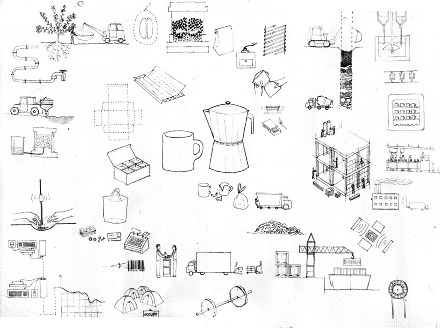
How should a designer approach the task of creating an everyday, archetypal object? As a modern society in an environment of material abundance, we face an obstacle in seeing ordinary objects in all of their complexity. This problem includes a categorical distinction between humans and objects, a complacent ignorance of how mechanical or logistical processes are enacted within objects (i.e. blackboxing), and a blindness to the meanings of familiar objects from our own culture.
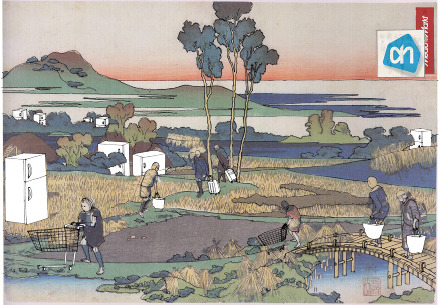
To counteract these biases and blind spots, I suggest a methodology for both design analysis and design inquiry. Ultimately, the methodology enables the designer to encounter mundane things in unusual ways, acting as a purposeful form of exoticism for really looking at objects. This research about a methodology implies the possibility of using it in generative ways. Could it be applied to new fields in which the archetype has not yet developed? More importantly, can this methodology be a tool for designers in a world that is increasingly formed and informed by non-physical matter?
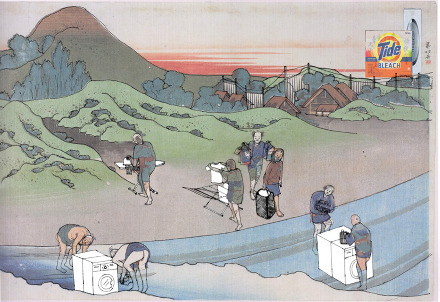
How should a designer approach the task of creating an everyday, archetypal object? As a modern society in an environment of material abundance, we face an obstacle in seeing ordinary objects in all of their complexity. This problem includes a categorical distinction between humans and objects, a complacent ignorance of how mechanical or logistical processes are enacted within objects (i.e. blackboxing), and a blindness to the meanings of familiar objects from our own culture.
To counteract these biases and blind spots, I suggest a methodology for both design analysis and design inquiry. Ultimately, the methodology enables the designer to encounter mundane things in unusual ways, acting as a purposeful form of exoticism for really looking at objects. This research about a methodology implies the possibility of using it in generative ways. Could it be applied to new fields in which the archetype has not yet developed? More importantly, can this methodology be a tool for designers in a world that is increasingly formed and informed by non-physical matter?
The Istanbul Design Biennial, organized by IKSV and launched in October 2012, looked at the issue of "Imperfection" as the primary concern for design in this constantly fluctuating and rapidly adaptive city. I was one of several co-editors (including Benan Kapucu, Vera Sacchetti, and Avinash Rajagopal) working with graphic designers Marco Ferrari and Elisa Pasqual on the catalogue for the overall biennial as well as the two exhibitions, Musibet and Adhocracy.
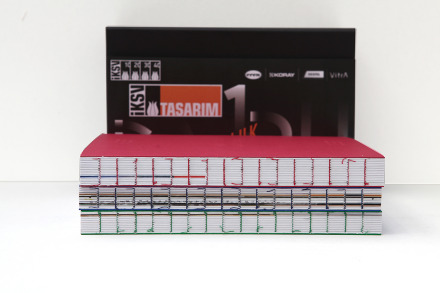
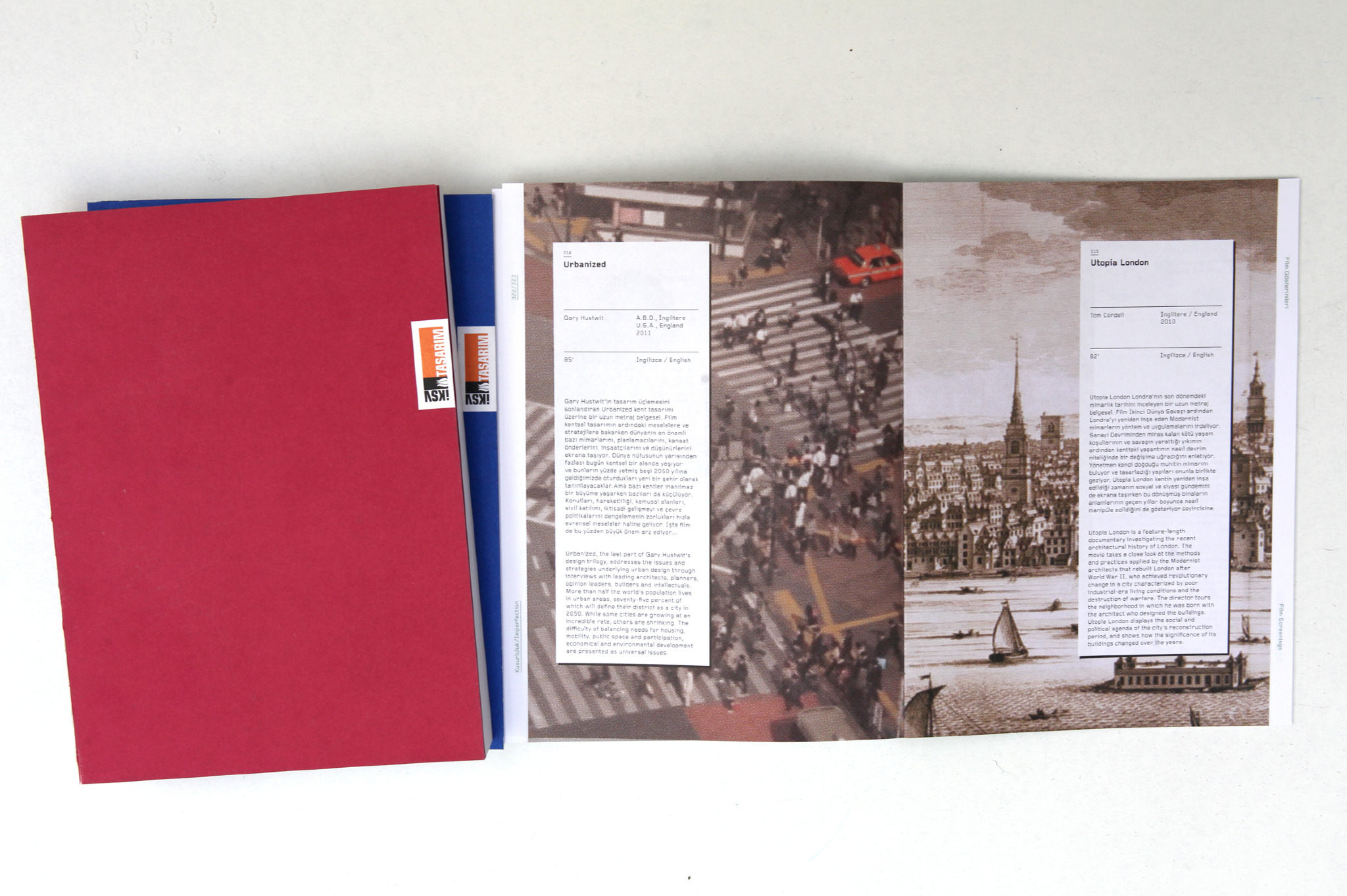
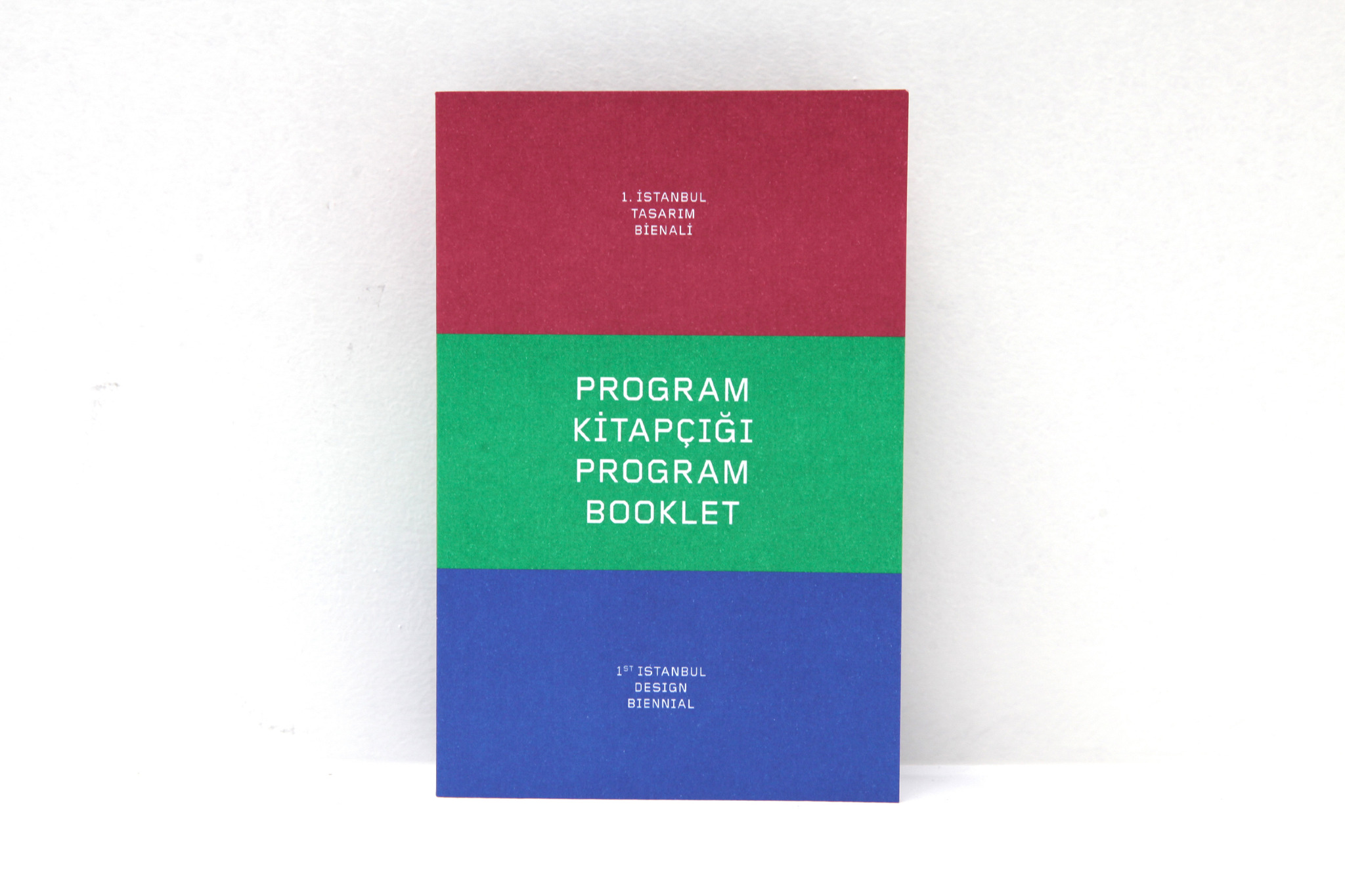
We also produced a program booklet for the biennial, covering the exhibitions in addition to the program of events.
Mentioned on Abitare
 |